Effect · Screen and signal
1-bit dither
Greys and colours made from patterns of a few pure pixels, as on screens and printers that could show only black and white.
Also called dither, dithering, 1-bit, 1 bit or bitmap dither.
- styles use it
- 2
- as a signature
- 0
What it is
Ordered dithering (Bryce Bayer, 1973) and error diffusion (Robert Floyd and Louis Steinberg, 1976) show tone with two values. The early Macintosh used Bill Atkinson’s dither for its pictures.
It shows up as these design choices: grain & noise, desktop publishing and monochrome.
Make it
In code, free in your browser, with no image model: Pixel generator or Dream city generator, with the dither finish on Morphogeny, Stylogeny’s sister site.
Styles that often use it 2
Usual in these styles, though not what defines them.
-
-
How they use it
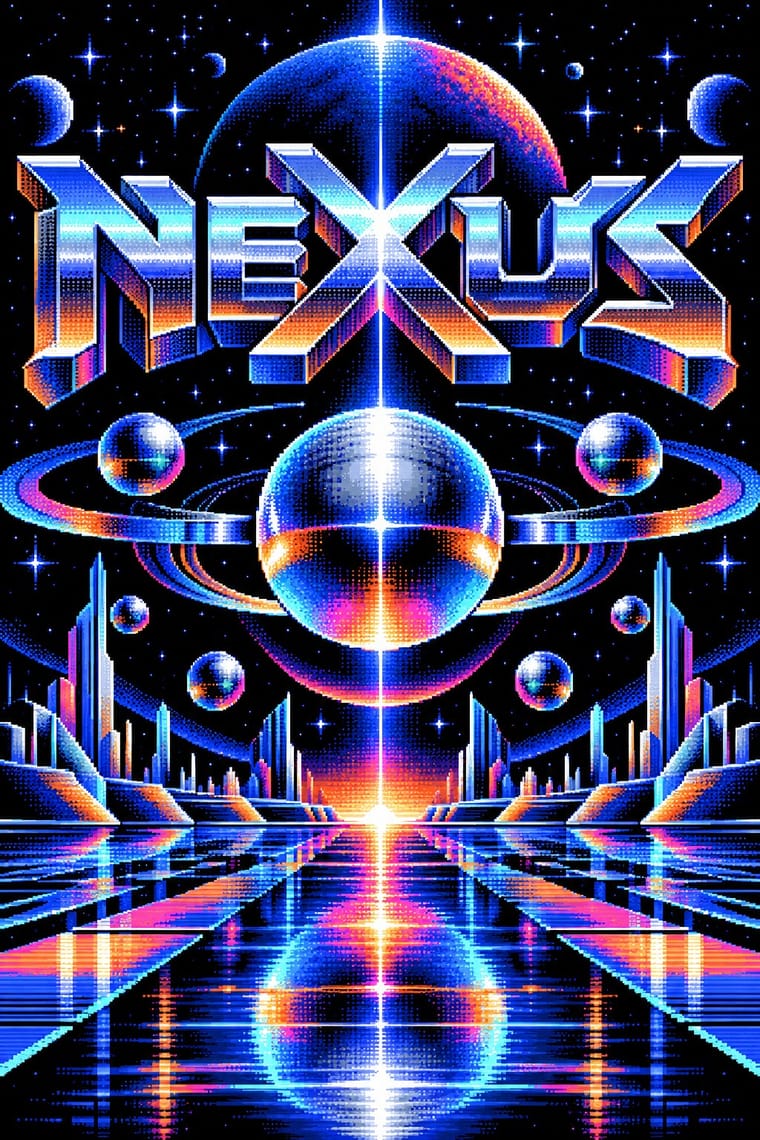
- Demoscene Graphics (Cracktros, Demos & Text-Mode Art) Build intermediate tones from alternating palette pixels, with dense stippled transitions across skin, metal and the background rather than a noise overlay.
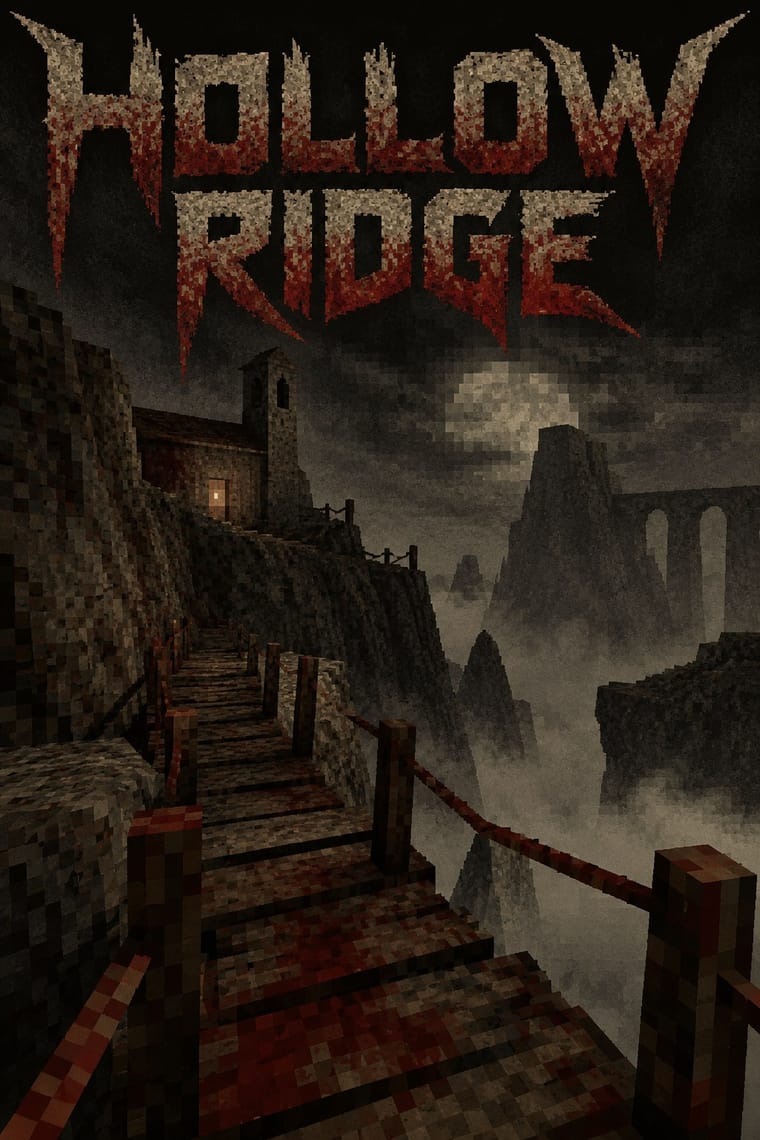
- PS1 / Lo-Fi 3D Revival (PSX Aesthetic) Use regular patterns of limited-colour pixels to approximate intermediate tones across shaded walls, ground and figures, keeping the patterned transitions visible.
Other effects in screen and signal
- CRT scanlines 2
- Glitch 15
- Datamosh 1
- Pixel sorting 1
- RGB split 2
- Anaglyph 3D 0
- Pixelation 1
- ASCII art 1
- Thermal imaging 0
- Blob tracking 0
- All 41 effects
Stylogeny describes 702 styles by their design choices; effects are the finishes they share.